
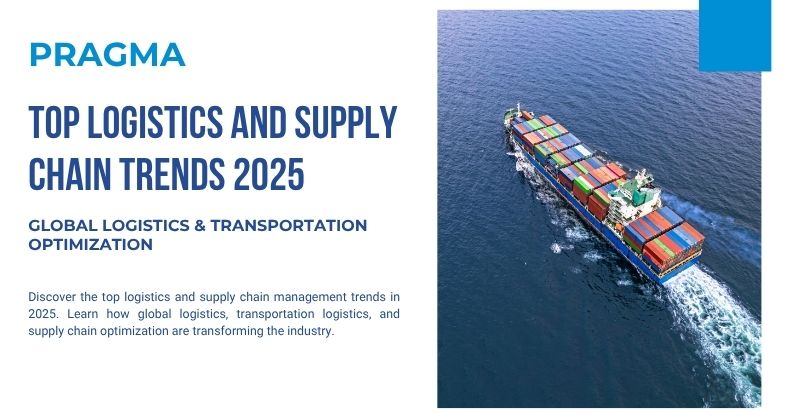
Top Logistics and Supply Chain Trends 2025 | Global Logistics & Transportation Optimization
Why Understanding Supply Chain Trends Matters
In today's fast-paced world, logistics and supply chain management are more than just business functions—they're strategic pillars that drive global commerce. As companies face increasing complexity, understanding logistics and supply chain trends becomes essential to stay competitive and agile.
Whether you're a business leader, supply chain manager, or logistics professional, staying ahead of the latest developments can help you streamline operations, reduce costs, and enhance customer satisfaction.
What Is Logistics and Supply Chain Management?
At its core, logistics and supply chain management involves the end-to-end process of moving products from suppliers to customers. It covers:
-
Procurement and sourcing
-
Inventory management
-
Warehousing and storage
-
Transportation logistics
-
Distribution and delivery
Each of these components plays a crucial role in ensuring that products reach the right place, at the right time, and at the lowest possible cost.
5 Key Trends Shaping Logistics and Supply Chain Optimization in 2025
1. Digital Transformation and Automation
Companies are embracing advanced technologies such as:
-
AI and machine learning for demand forecasting
-
Robotics and warehouse automation
-
Digital twins for real-time supply chain visualization
This digital shift is helping businesses achieve better logistics and supply chain optimization, reducing errors, speeding up processes, and improving efficiency.
2. Sustainability in Transportation Logistics
With rising fuel costs and growing environmental concerns, transportation logistics is undergoing a green revolution. Trends include:
-
Electric vehicles (EVs) and alternative fuels
-
Carbon footprint tracking systems
-
Optimized route planning to reduce emissions
Sustainability isn't just good for the planet—it's becoming a business necessity, impacting customer loyalty and regulatory compliance.
3. The Rise of Global Logistics Networks
The expansion of global logistics is driven by e-commerce growth and international trade. Companies are:
-
Diversifying suppliers to avoid disruptions
-
Establishing near-shoring and reshoring strategies
-
Leveraging cross-border e-commerce logistics solutions
Global logistics management requires balancing cost-efficiency with risk management, especially in an era of geopolitical tensions and supply chain vulnerabilities.
4. Supply Chain Resilience and Risk Management
In recent years, supply chain disruptions—from pandemics to port congestions—have forced companies to rethink strategies. Key focus areas include:
-
Multi-sourcing strategies
-
Inventory buffers and safety stock policies
-
Real-time supply chain monitoring
Building a resilient supply chain is now considered as important as optimizing for cost and speed.
5. Customer-Centric Supply Chains
The modern supply chain isn't just about efficiency—it's about customer experience. Trends include:
-
Same-day and next-day delivery expectations
-
End-to-end shipment tracking for transparency
-
Flexible return and reverse logistics processes
Companies that prioritize customer-centric logistics gain a competitive edge in today’s market.
How to Achieve Logistics and Supply Chain Optimization
Here are actionable steps for businesses looking to optimize:
| Strategy | Benefit |
|---|---|
| Invest in supply chain analytics | Gain data-driven insights |
| Adopt cloud-based logistics software | Improve collaboration and real-time updates |
| Implement IoT tracking devices | Monitor shipments and reduce losses |
| Train teams in digital supply chain management | Build in-house expertise |
Preparing for the Future of Logistics and Supply Chain Trends
The future of logistics and supply chain management is evolving rapidly. By focusing on global logistics, transportation logistics, and advanced supply chain optimization techniques, businesses can not only survive but thrive in a competitive landscape.
Staying informed about logistics and supply chain trends is no longer optional—it’s essential for growth and sustainability.
FAQs
What is transportation logistics?
Transportation logistics refers to the management of how goods move from one location to another, including route planning, carrier selection, and freight management.
Why is global logistics important?
Global logistics enables businesses to operate in international markets by managing the flow of goods across borders efficiently and cost-effectively.
How can I optimize my supply chain?
Leverage technology like AI, real-time tracking, and data analytics to improve efficiency, reduce costs, and increase visibility across your supply chain.
Contact Pragma Market Research or Email US: contact@pragmamarketresearch.com